



Our Blog
Expert insights on flood protection, building resilience, and risk management.

4 Types of Flood Protection Systems for Warehouses
A warehouse is one of the hardest building types to protect from flooding, and one of the most expensive to get wrong. Wide loading docks, roll-up doors, expansive floor area, and drains that connect straight to overtaxed stormwater systems create dozens of entry points for water without the right flood protection systems. Add high-value inventory […]
Read More
Permanent Flood Barriers: A Look at Flood Doors
For property owners and facility managers, flood protection usually comes down to timing – you watch the forecast, deploy the barriers, and hope it was early enough. Our customers told us they needed permanent flood barriers that didn’t depend on that window – so we listened. FRA engineered a permanent flood door built on the same patented […]
Read More
How a Hinged Barrier Protects High-Traffic Entrances Against Flooding
Most flood protection asks something of you: install the panels, stack the barrier, deploy the system before the water arrives. That’s fine when you have warning and staff on hand. But some entrances need protection that’s simply always ready – no setup, no stored equipment, no scramble when a storm hits. That’s exactly what a hinged barrier delivers, and the swing-hinged version is one of the most practical […]
Read More
5 Alternatives to Sandbags for Flooding
Sandbags have been the default flood response for over a century, and it’s easy to see why: they’re cheap and widely available. But anyone who’s actually used them knows the downsides. They’re heavy and slow to fill and place, they let water seep straight through, they’re single-use and messy to dispose of, and they rarely seal well enough to keep a building truly dry. When you’re protecting […]
Read More
Honolulu Flooding: What the Historic 2026 Disaster Teaches Us
Few places on earth feel further from a flood zone than Honolulu. For most of its history, Hawaii has been shielded from hurricanes by something simple: cold water. A hurricane is essentially a giant heat engine, and it needs sea surface temperatures of at least 80°F (26.5°C) to keep the evaporation and convection cycle running. The waters surrounding the islands, […]
Read More
Flood Risk America Recognized by Business Circle as Most Innovative Flood Protection Solutions Company
We’re proud to share that Flood Risk America has been named Most Innovative Flood Protection Solutions Company, Florida 2026 in the Business Circle Awards Directory. For a company built on providing flood protection solutions the harder, more accountable way, this recognition means a great deal, because it points to the exact thing that sets us apart. What the Award Recognizes Business Circle’s recognition highlights what Flood […]
Read More
Flood Risk America Launches New Flood Testing Facility
When floodwater starts rising against a barrier, you find out very quickly whether that product was ever seriously tested. It either keeps the water out or it doesn’t – and that single, unforgiving reality is why Flood Risk America built a dedicated flood testing facility for its own products. Here’s what that means, and why it matters more than most buyers realize. Check out […]
Read More
How to Stop Heavy Rain Floods From Damaging Your Property
Not every flood comes from a hurricane or an overflowing river. Some of the most damaging – and most overlooked – floods come from rain alone. Heavy rain floods happen when rainfall arrives faster than the ground and drainage systems can handle it, and they can strike almost anywhere, including areas far from any coast or floodplain. The good news: with the right […]
Read More
Flood Wall Design: Types, Uses, and How to Choose
“Flood wall” sounds self explanatory – a barrier that holds back water. In practice, flood wall design covers a range of very different systems, each suited to different sites, threats, and budgets. Choosing well means understanding those types and matching the design to how water actually reaches your property. Here’s a practical look at the main flood wall design approaches and where each one […]
Read More
The Best Flood Protection Barrier for Homes
Flooding used to feel like a coastal or “high-risk zone” problem – something that happened to other people, in other places. That’s no longer true. Heavier rainfall, aging drainage systems, and expanding development mean homes far from any shoreline are now flooding, often for the first time. For homeowners, a flood protection barrier for homes has shifted from a niche […]
Read More
Facts About Floods: 10 Things That Could Save Your Property
Facts about floods aren’t exactly everyday conversation, but flooding affects far more people and property than most of us assume. It’s one of the most common natural disasters in North America, and it tends to show up in ways people don’t expect. Understanding a few key facts about floods goes a long way toward helping property owners grasp their real risk […]
Read More
What is a Self Closing Flood Barrier?
When people picture flood protection, they usually picture effort: sandbags stacked in the rain, crews deploying panels as water rises, someone scrambling to react before it’s too late. But some of the most effective flood defenses available today require none of that. A self closing flood barrier protects a building automatically, using the floodwater itself to activate. No crew, no warning, no manual deployment. […]
Read More
Check Out Some of Our Recent
Flood Case Studies

Minoff House
Waterfront Residence
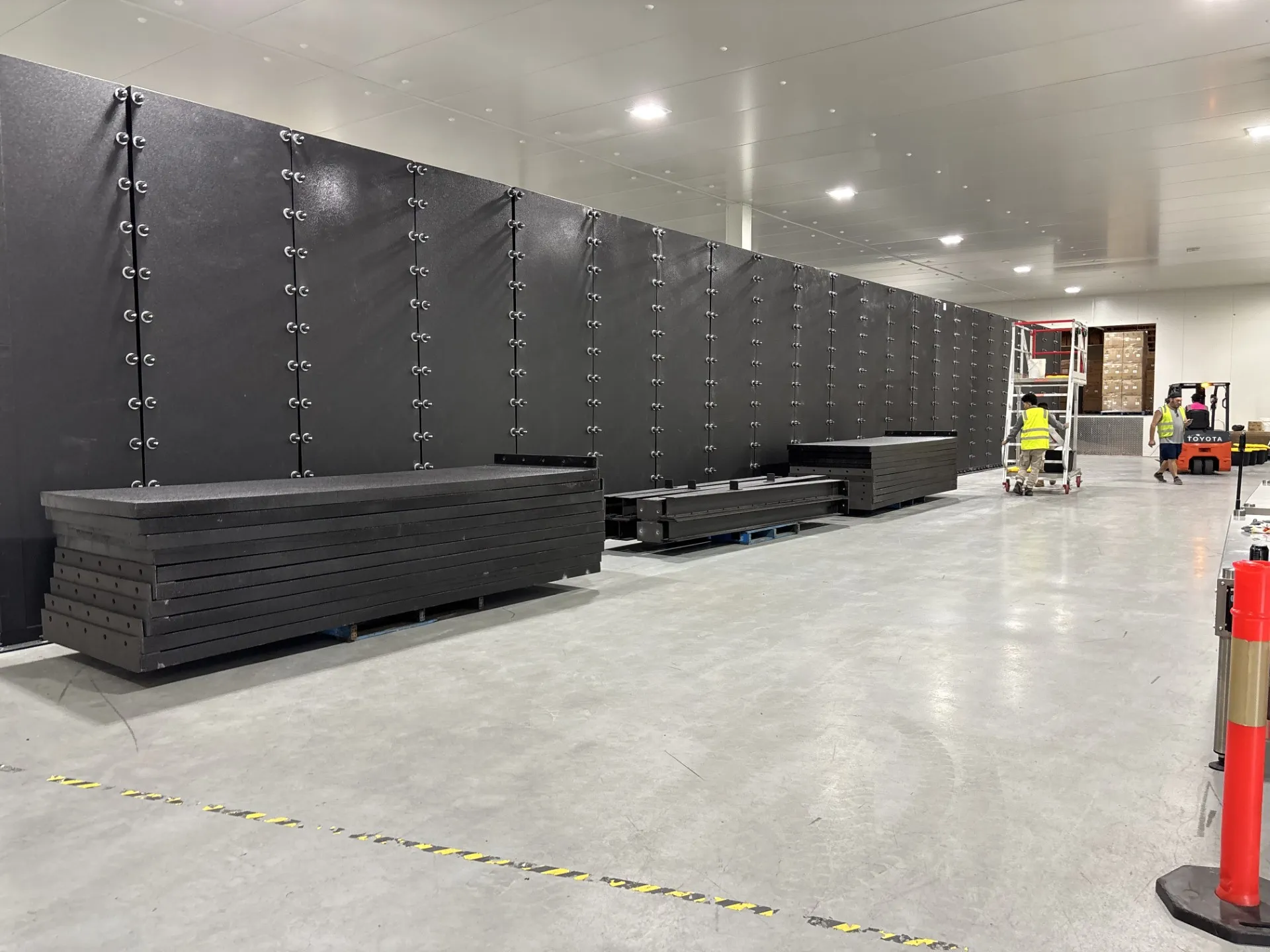
Mountain Blue Processing Facility
Lismore, NSW, Australia

JW Marriott Hotel
Clearwater, Florida
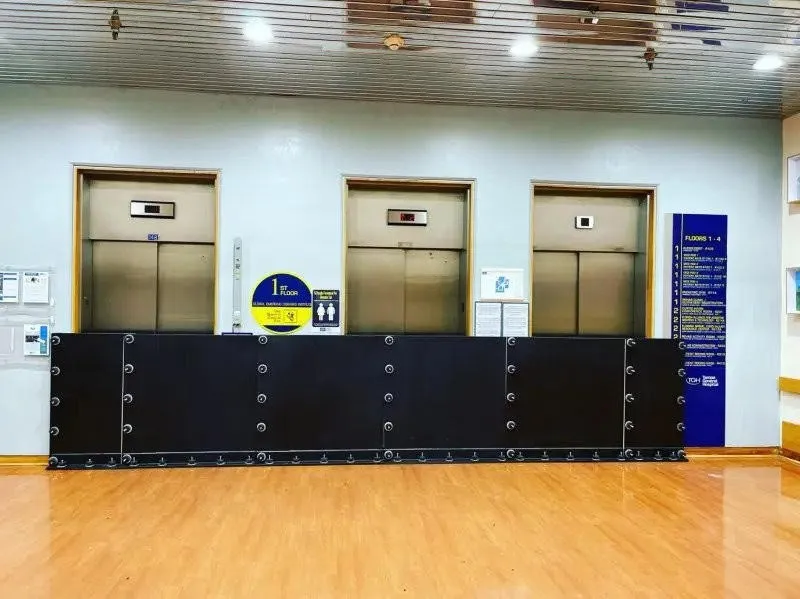
Tampa General Hospital
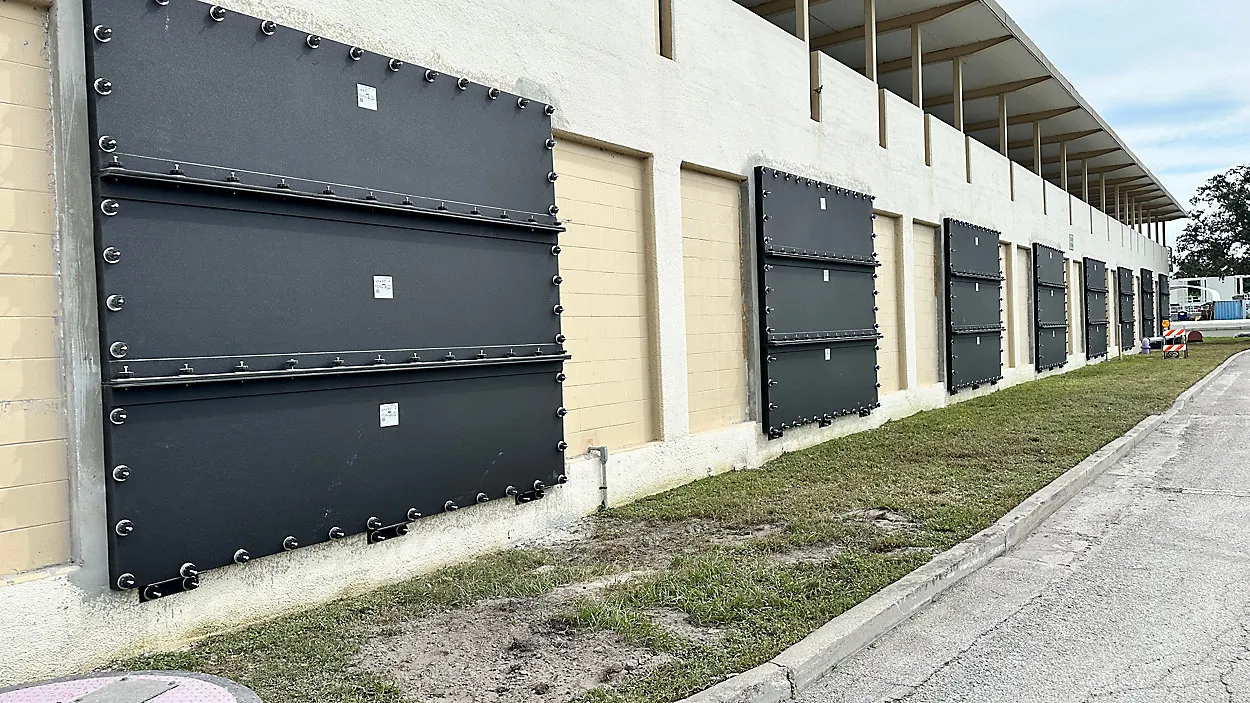
Wastewater Reclamation Facility
City of St. Petersburg, FL

Mary Brickell Village
Miami, FL

Coastal Luxury Condo Building
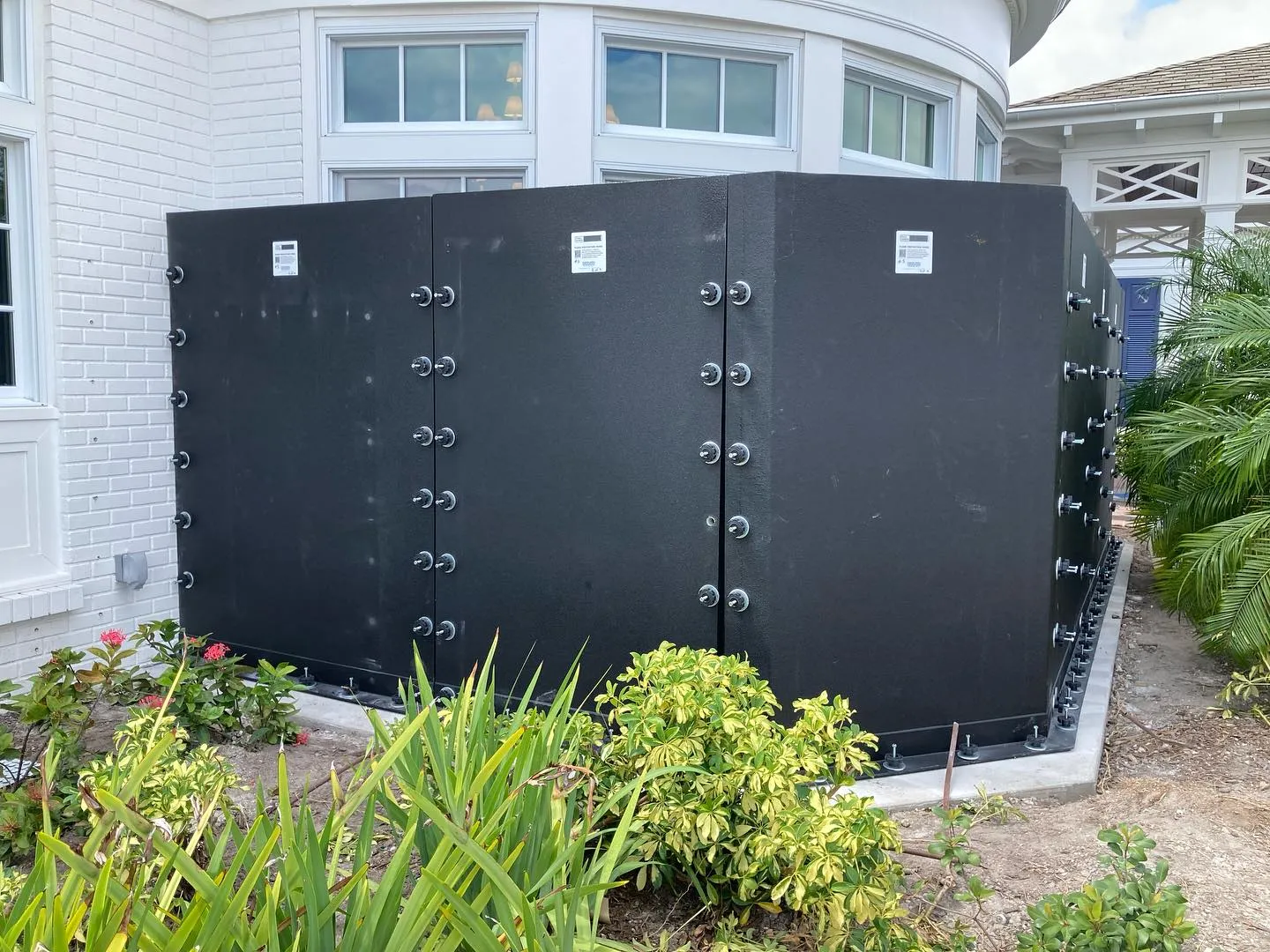
Tampa Yacht & Country Club
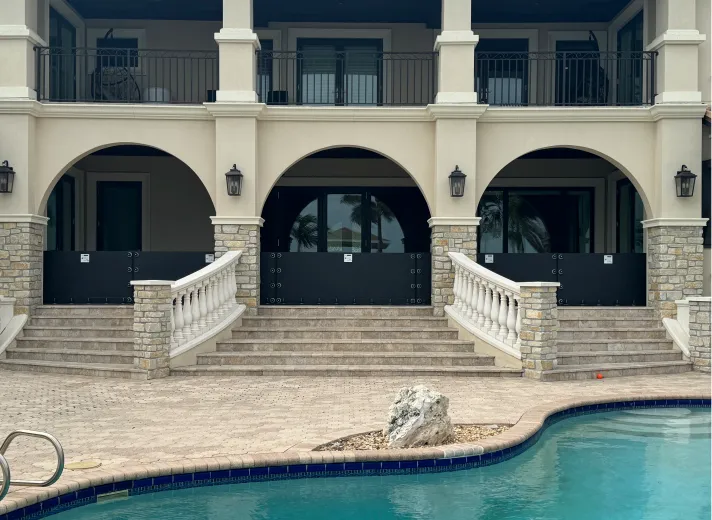
Waterfront Home

Protect Your Property Today
Ready to safeguard your property from flood damage? Contact Flood Risk America to discuss a custom flood protection solution.
Expert Flood Protection Insights — Stay Informed
FRA Flood Barriers Exceeds Fema And NFIP Guidelines, U.S. Army Corp Of Engineers Standards, And FM Approval Standards.
Flood Risk America is a member of the National Association of Elevator Contractors and the Association of Floodplain Managers.